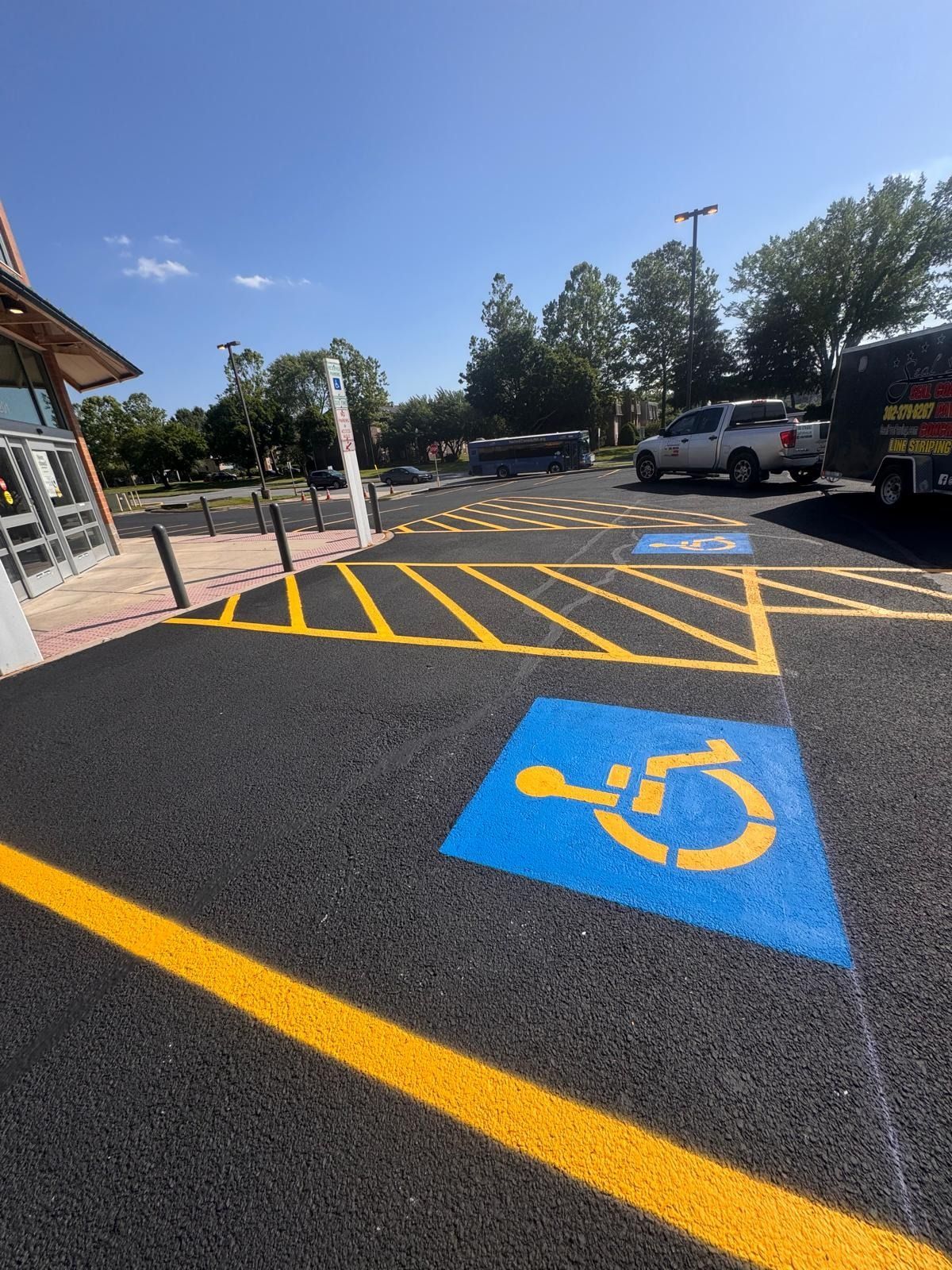
In the world of commercial property management, maintaining the exterior appearance and functionality of a property is as crucial as the interior. One of the most overlooked yet vital parts of exterior maintenance is parking lot sealcoating services. Regular sealcoating offers several benefits, ranging from protection against weather elements to enhancing the lifespan of asphalt surfaces. Understanding its significance helps property managers make informed decisions regarding their maintenance strategies.
The process of sealcoating involves applying a protective layer over asphalt surfaces, which can save money and time compared to extensive repairs down the line. This article delves into various aspects of parking lot sealcoating services, emphasizing why consistent application is indispensable not just for aesthetic appeal but also for the structural integrity of parking lots.
1. What is Parking Lot Sealcoating?
1.1 Definition and Purpose
Parking lot sealcoating is the process of applying a slurry-like mixture on top of asphalt pavement. Its primary purpose is to protect the underlying asphalt from deterioration caused by the sun, rain, ice, and salt. By offering a protective barrier, sealcoating enhances resilience against cracks and potholes, ensuring the surface remains smooth and level for vehicles.
This protective layer doesn’t only guard against environmental factors; it also rejuvenates and brings a fresh, dark appearance to the asphalt. This aesthetic improvement is important for businesses looking to make positive first impressions. Sealcoating acts as the first line of defense, prolonging the life of parking lots by an additional several years.
1.2 Materials Used in Sealcoating
The materials typically used in sealcoating include refined tar-based products, asphalt-based emulsions, and petroleum-based options. These materials are often mixed with water, silica sand, and additives that enhance performance and durability. The choice of material largely depends on environmental conditions and specific client requirements.
Refined tar sealers are particularly known for their resistance to fuels and oils, which is important for parking areas that experience high vehicle traffic. Meanwhile, asphalt-based sealers are favored for their environmentally friendly properties. Regardless of the choice, the goal remains the same: to create a protective barrier over the asphalt to extend its functionality and service life.
1.3 How Sealcoating Works
The sealcoating process involves filling in surface damage and providing a new outer coat over existing asphalt. This helps prevent moisture from penetrating and causing further deterioration. The process starts with cleaning the surface thoroughly to remove debris and oil. After preparation, the sealer is applied using spray systems, squeegee machines, or brushes, depending on the size and condition of the surface.
Once applied, the sealcoat fills in small voids throughout the surface, adding a smooth and uniform appearance. Adding silica sand to the mixture can increase traction, reduce glare, and improve wear resistance. Sealcoating also acts as a waterproofer, extremely important in regions with variable weather conditions where rain or snow can seep into cracks and widen them.
1.4 History of Sealcoating
The concept of sealcoating has its origins in Roman times when road builders used hot tar over stone roads to protect them from moisture. Modern sealcoating practices began taking shape in the early 20th century, as the demand for more durable roads and parking surfaces increased alongside the automobile boom. Over the decades, the materials and methods have vastly improved, largely due to advancements in chemical engineering and construction techniques.
Today, sealcoating is a staple in the maintenance routine of many facilities, reflecting its evolution into a sophisticated procedure that combines science and practicality. According to IBIS World, there are 5,007 active dedicated parking management and facility service businesses operating nationwide, highlighting the importance of such services within the industry.
2. Why is Sealcoating Important for Parking Lots?
2.1 Protection Against Elements
Parking lots are constantly exposed to harsh elements like UV rays, rain, and seasonal temperature changes, all of which can degrade the asphalt over time. Sealcoating acts as a shield, significantly reducing the impact of these elements. It prevents oxidation, which can cause brittleness and cracks in the pavement, ensuring that the surface remains resilient and smooth.
Moreover, a properly maintained sealcoat layer can help reflect sunlight and reduce the heat absorbed by the asphalt, effectively lowering surface temperatures. This can be particularly beneficial in urban areas where heat retention is a common issue, contributing to overall environmental sustainability efforts.
2.2 Extending the Life of Asphalt
One of the primary benefits of sealcoating is its ability to extend the life of asphalt surfaces. Regular applications can double the lifespan of the pavement, providing significant cost savings in the long run. It prevents cracks from forming and spreading, which would otherwise lead to costly repairs or complete resurfacing projects.
The process of sealcoating creates a waterproof barrier, ensuring that moisture does not penetrate the asphalt layers. This is crucial because once water penetrates the surface, it can erode the foundation and accelerate damage. Thus, consistent sealcoating maintenance is essential for maintaining the structural integrity of parking lots.
2.3 Cost-Efficiency in Maintenance
When it comes to maintenance budgets, sealcoating is a sound investment. It is far more economical to perform regular sealcoating than it is to undertake extensive repairs or complete repaving. The initial cost of sealcoating is minimal compared to the expenses associated with fixing severe damage caused by neglect.
In the long term, businesses that incorporate parking lot sealcoating services into their regular maintenance schedules tend to enjoy safer, more reliable parking lots. This not only translates to savings but also improved safety and satisfaction for both customers and employees utilizing the parking spaces.
3. How Often Should Parking Lot Sealcoating Be Done?
3.1 Initial Applications
The timing of the initial sealcoating application is critical. For new asphalt surfaces, many experts recommend waiting 6 to 12 months to ensure that it has time to cure and settle. During this period, the asphalt's oils naturally evaporate, making it ready for the first sealcoating application, which provides the first layer of protection and sets the stage for future layers.
A new coat should be applied before significant signs of wear appear. Early applications can prevent minor cracks and discoloration from developing into more serious problems, serving as a preventative measure that can save substantial expenses in the future.
3.2 Maintenance Schedule
Once the initial sealing is complete, parking lots should be sealcoated every 2 to 3 years for optimal protection. However, this depends on several factors, including the level of traffic, climate conditions, and wear and tear on the surface. Thus, it's essential to assess the condition of the asphalt regularly to determine the appropriate schedule.
High-use areas may require more frequent parking lot sealcoating services, while those with limited exposure to the elements might endure longer intervals. Regular inspection and maintenance help tailor the schedule to the specific needs of the parking lot, ensuring sustained protection and appearance.
3.3 Indicators for Resealing
Key indicators that a parking lot requires resealing include visible cracks, fading color, and rough texture on the surface. Pooling water after rain is another sign that the protective layer is wearing thin, suggesting that water is not being adequately repelled.
If customers or employees start noticing more debris or gravel from the asphalt surface, it's a clear sign of deterioration. Regular checks help identify these issues early, allowing timely attention to prevent more severe damage and maintain optimal safety and appearance.
Parking lot sealcoating services represent a sound investment for property owners looking to maintain the value and safety of their asphalt surfaces. Regular sealing not only offers protection against environmental factors but also enhances the aesthetic appeal of parking lots. By extending the life of the asphalt and offering cost-efficient maintenance, parking lot sealcoating services are a strategic choice for preserving both function and form.
Given the importance of these services as highlighted by the presence of over 5,000 active businesses nationwide, prioritizing
parking lot sealcoating services should be a key component of any comprehensive property management plan. Engaging professional services ensures that the process is conducted efficiently and effectively, safeguarding the durability and appearance of parking facilities for years to come. Reach out to Seal Pro Paving & Sealcoating today to see how we can help you!